WET CHEMICAL KITCHEN FIRE SUPPRESSION SYSTEM About
WET CHEMICAL KITCHEN FIRE SUPPRESSION SYSTEM
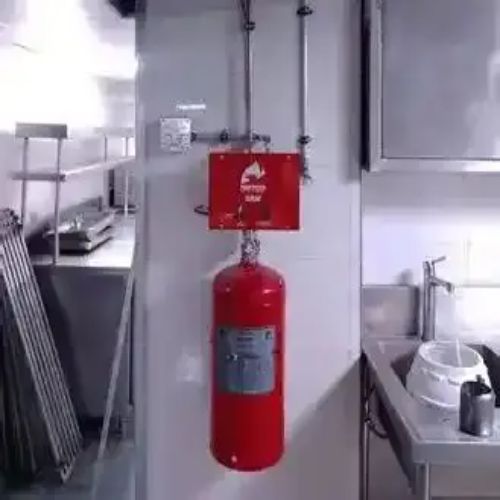
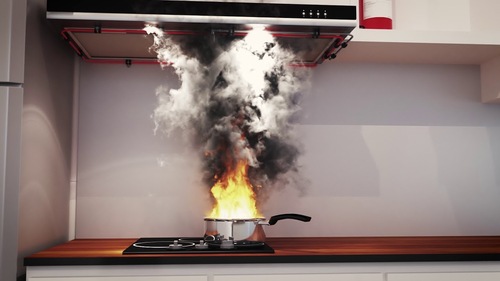
Wet chemical systems use a potassium-based or foam-enhanced wet chemical agent that reacts with hot cooking oils and fats through saponification, forming a soapy foam blanket that smothers the fire and cools the surface below its auto-ignition temperature.The agent typically contains 90% water and 10% chemical, providing both extinguishing and cooling effects, which prevents re-ignition and minimizes collateral damage.Unlike traditional water or dry chemical extinguishers, these systems are highly effective on Class F (cooking oil) fires, as water alone can cause explosive flare-ups when applied to hot oil
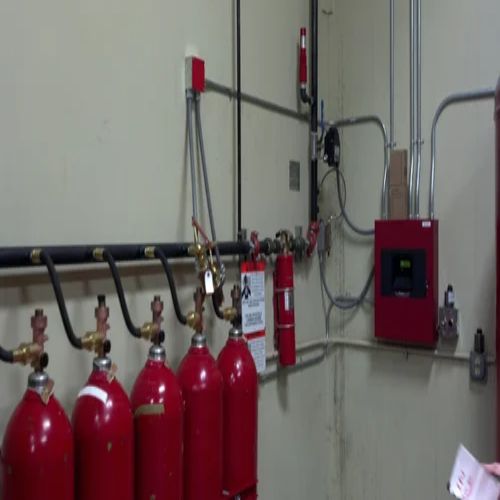
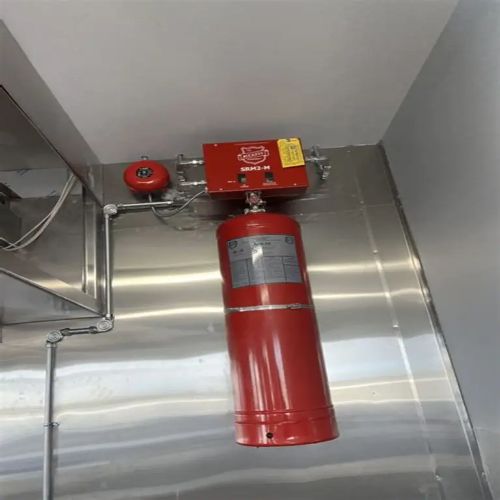
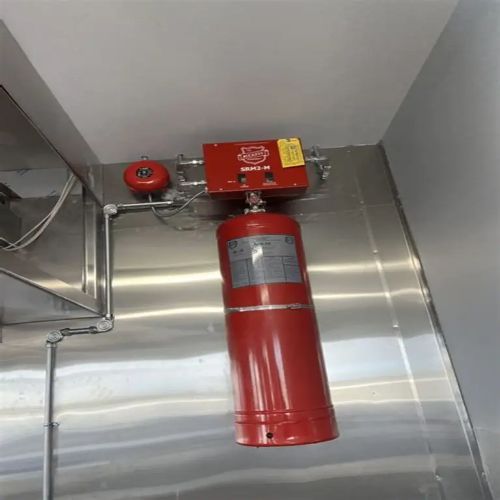
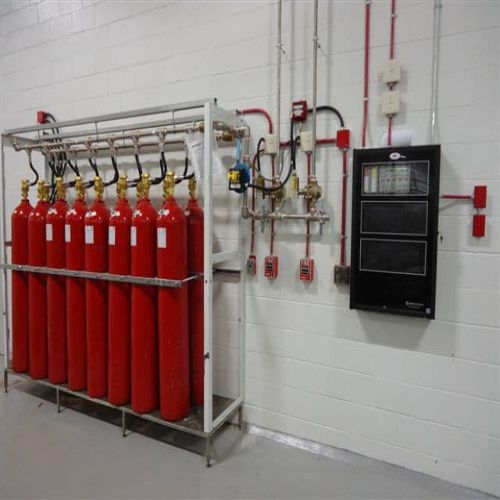
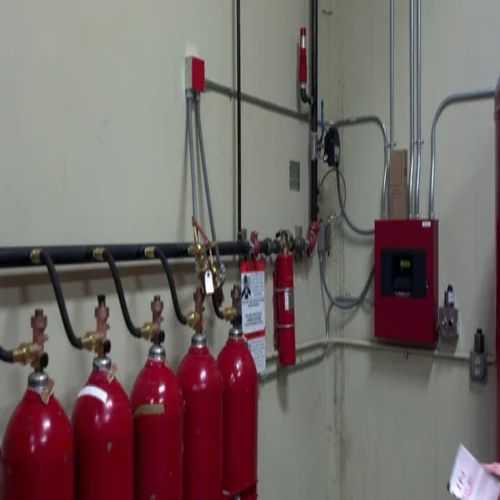
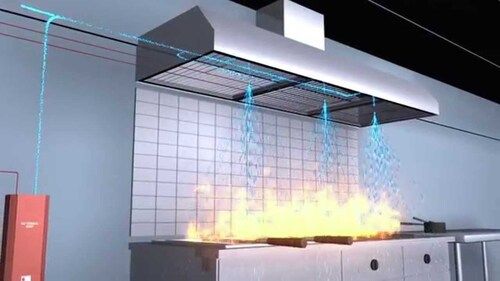
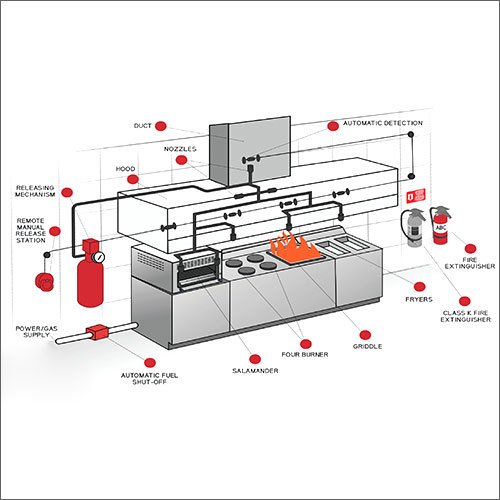
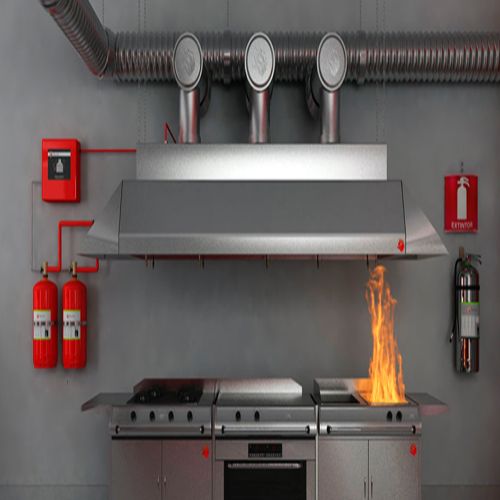
Specifically engineered for Class K fires, this wet chemical system utilizes potassium acetate to rapidly suppress high-temperature grease and oil blazes common in restaurant kitchens. With stainless steel nozzles and galvanized or stainless steel pipes, reliability remains uncompromised even in the most demanding culinary environments. The configurable design accommodates various kitchen layouts.
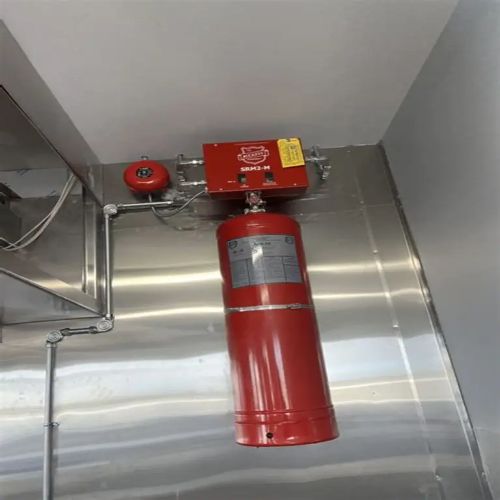
Advanced Detection and Easy ActivationFeaturing automatic activation through heat detection or manual operation at a pull station, the system acts swiftly to contain fires before extensive damage occurs. The LCD control panel offers real-time status updates, with audible and visual alarms to alert kitchen staff instantly. The system is designed for quick manual reset after any discharge, minimizing downtime.
Compliance and Peace of MindBuilt to NFPA 17A and ISO 15371 standards, this suppression system is ideal for distributors, service providers, and end-users alike. Its epoxy powder-coated finish ensures durability, while the semi-annual maintenance requirement offers ongoing reliability and assurance of protection, helping maintain kitchen safety and regulatory compliance.
FAQ's of WET CHEMICAL KITCHEN FIRE SUPPRESSION SYSTEM:
Q: How does the wet chemical kitchen fire suppression system operate during a fire?
A: The system detects heat using a heat sensing cable or fusible link; upon reaching the activation threshold, it automatically discharges a potassium acetate-based wet chemical agent through stainless steel nozzles to quickly suppress Class K fires. Manual activation via a pull station is also possible.
Q: What are the maintenance requirements for this fire suppression system?
A: It is recommended to conduct a semi-annual inspection to ensure proper functionality, confirm detection and discharge mechanisms are operational, and check the status of cylinders and piping. Regular maintenance maintains compliance with NFPA 17A and ISO 15371 standards.
Q: When and where should the system typically be installed?
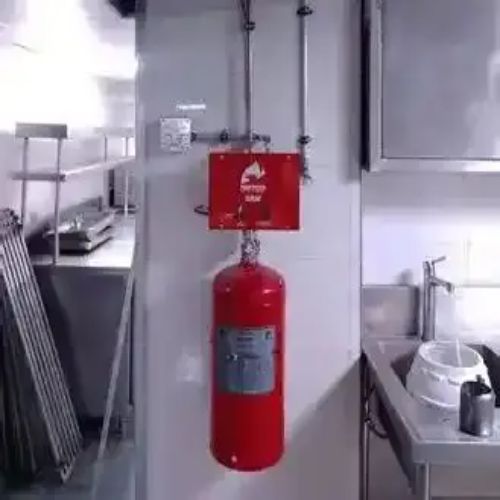
A: This system should be installed in any commercial kitchen requiring protection from cooking oil and fat fires. Suitable installation locations include above cooking ranges, deep fryers, and hoods, with the system rack-mounted, wall-mounted, or utilizing ceiling-mounted nozzles as needed.
Q: What happens after the suppression system discharges?
A: After any discharge, the system must be manually reset. This process involves inspecting, refilling, and repressurizing the cylinders, checking nozzle and pipe integrity, and resetting the control panel to restore protection.
Q: What are the benefits of using potassium acetate as a wet chemical agent?
A: Potassium acetate effectively reacts with hot oils and fats to form a soapy layer (saponification), which cools the fire and prevents re-ignition. It is specifically designed for fast suppression and minimal damage to kitchen equipment.
Q: How is the system monitored and controlled?
A: A wired, 24V DC-operated electrical control panel displays the system's status via an LCD screen, alarm, and indicator lights. Audible and visual warnings are provided for immediate notification during an emergency.
Q: Can the coverage area be adjusted for different kitchen sizes?
A: Yes, the system's configuration allows coverage of up to 100 square meters per installation, with pipe runs and nozzle placement adaptable to kitchen layouts and required protection zones.

 Send Inquiry
  Call Us 07971670816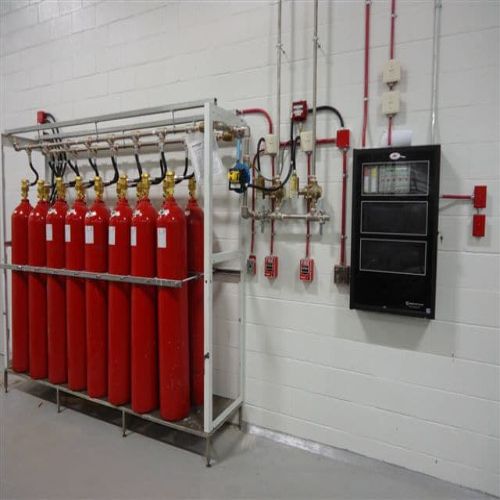

 Send Inquiry



 Send Inquiry
 Send Inquiry
 Send SMS


 English
 Spanish
 French
 German
 Italian
 Chinese (Simplified)
 Japanese
 Korean
 Arabic
 Portuguese