Fire Detection Tube Suppression System About
A Fire Detection Tube Suppression System, also known as a Fire Detection and Suppression Tube System or simply a Fire Suppression Tube System, is an automatic fire suppression system designed to detect and extinguish fires in various applications. It's a relatively compact and self-contained fire suppression solution that can be used in a wide range of settings, from small enclosures to larger industrial environments.
Here's how a Fire Detection Tube Suppression System typically works:
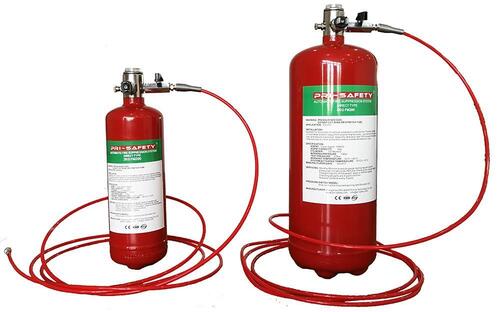
1. Detection Tubing: The core component of the system is a flexible tube, usually made of a heat-sensitive polymer material. This tubing is installed in or around areas where fire hazards are present. The tubing is pressurized with a fire suppressant agent, such as clean agent gases like FM-200 or Novec 1230, or dry chemical powders like ABC powder.
2. Heat Detection: When a fire breaks out and the temperature in the protected area rises to a critical level, the tubing bursts or ruptures at the point nearest to the source of heat. The tubing bursts due to the increased pressure inside caused by the heat, and this rupture serves as the activation mechanism for the system.
3. Suppression Agent Release: Once the tubing ruptures, it acts as a nozzle, releasing the fire suppression agent directly onto the source of the fire. The agent quickly disperses throughout the protected area, effectively extinguishing the fire.
4. Fire Extinguishment: The fire suppression agent works to reduce the fire's temperature and remove oxygen, two critical elements needed for combustion. Different agents have varying methods of extinguishing fires. Clean agents, for example, work by removing heat from the fire, while dry chemical powders smother the flames.
5. System Shutdown and Cleanup: After the fire is extinguished, the system is typically designed to shut down automatically. Depending on the agent used, cleanup might be required to remove any residue left behind by the suppression agent.
Fire Detection Tube Suppression Systems are known for their simplicity, reliability, and effectiveness. They are often used in applications where conventional fire suppression systems like sprinklers are not suitable, such as in enclosed spaces with sensitive electronics or valuable equipment where water damage would be a concern.
Some key advantages of Fire Detection Tube Suppression Systems include:
1. Quick and automatic fire detection and suppression.
2. Minimal maintenance requirements.
3. Ability to protect small, enclosed spaces.
4. Compatibility with a variety of fire suppression agents.
5. Reduced risk of collateral damage compared to water-based systems.
However, it's essential to design and install these systems correctly to ensure they are effective in protecting the intended area. Professional installation and regular maintenance are crucial to keep the system in optimal working condition. Regulations and standards for fire suppression systems may vary by region, so it's important to comply with local fire safety codes and guidelines.
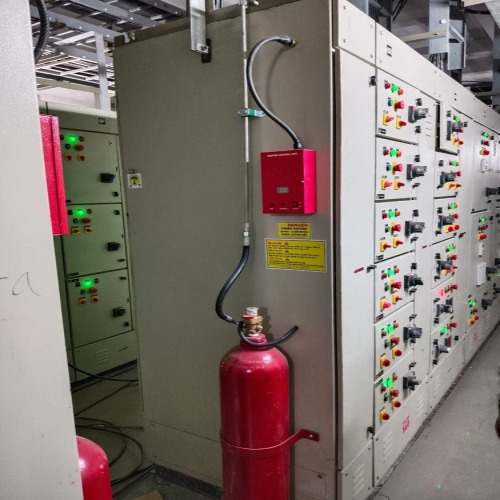
Early Detection & Rapid SuppressionDesigned with a flexible fire detection tube, the system ensures immediate activation by rupturing at the fire's hot spot, allowing fast direct release of clean agent. This swift response minimizes damage and downtime, protecting vital assets and infrastructure across server rooms, electrical cabinets, and industrial settings.
Robust, Reliable & CertifiedEngineered for harsh environments, the detection tube boasts high corrosion resistance and a life expectancy of 10 years under normal conditions. The system holds UL, ISI, and CE certifications, affirming its reliability and safety for diverse applications including server rooms, vehicles, and data centers throughout India.
Low Maintenance & Environmentally ResponsibleRoutine visual inspection is sufficient due to the system's durable design and minimal servicing needs. After discharge, the system can be easily refilled and reused, supporting sustainability. Ozone-friendly clean agents are available, ensuring compliance with environmental standards and safe usage.
FAQ's of Fire Detection Tube Suppression System:
Q: How does the Fire Detection Tube Suppression System activate during a fire?
A: The system uses a flexible polyamide tube that ruptures when exposed to high temperatures at the fire's hot spot. This rupture instantly releases the extinguishing agent directly onto the fire within seconds, providing immediate suppression.
Q: What type of fires can this system suppress?
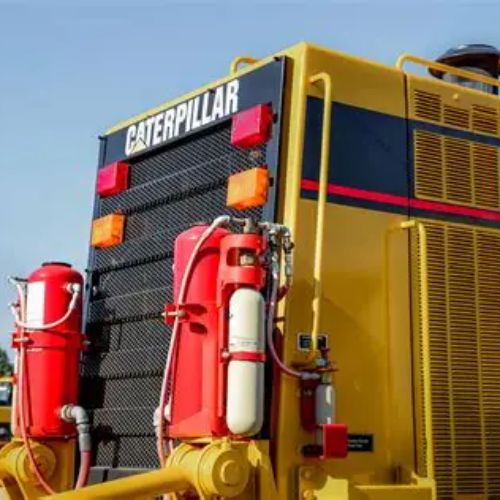
A: It is engineered to suppress Class A (ordinary combustibles), B (flammable liquids), and C (electrical) fires, making it suitable for server rooms, electrical panels, industrial equipment, and vehicles.
Q: When should I inspect or maintain the fire suppression system?
A: Routine visual inspection is recommended to ensure tube integrity and system readiness. Maintenance is minimal and typically involves checking for physical damage or leaks, with refilling only necessary after agent discharge.
Q: Where can the Fire Detection Tube Suppression System be installed?
A: The system's compact design allows for wall-mounted or in-cabinet installations, making it ideal for confined spaces such as server racks, control panels, machinery enclosures, and vehicle compartments.
Q: What certifications and standards does the system comply with?
A: All critical components are UL-listed, ISI marked, and CE certified, guaranteeing adherence to international safety and quality standards.
Q: How is the extinguishing agent discharged from the system?
A: Once the detection tube ruptures, the stored clean agent is released directly and precisely at the fire source, maximizing effectiveness and minimizing collateral damage.
Q: What are the benefits of using this fire detection and suppression solution?
A: Key benefits include immediate response, direct fire suppression, low maintenance requirements, environmental friendliness, reusability, and reliable operation in a wide range of conditions without the need for external power.

 Send Inquiry
  Call Us 07971670816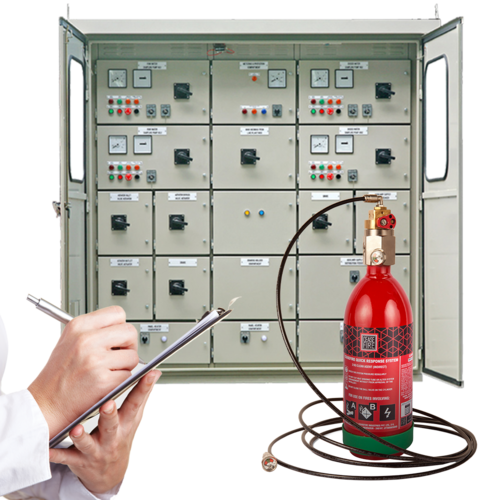

 Send Inquiry




 Send Inquiry
 Send Inquiry
 Send SMS
 Call Me Free


 English
 Spanish
 French
 German
 Italian
 Chinese (Simplified)
 Japanese
 Korean
 Arabic
 Portuguese