Electrical Panel Detection Suppression System About
An Electrical Panel Detection Suppression System is a specialized safety system designed to detect and suppress fires or other hazardous events in electrical panels or switchgear rooms. These systems are crucial in industrial and commercial settings where electrical panels and equipment are used extensively, as fires or malfunctions in these areas can lead to significant damage, downtime, and safety risks.
Here are the key components and functions of such a system:
1. Detection: The system incorporates various sensors and detectors to monitor the conditions in and around electrical panels. Common detection methods include:
a. Temperature Sensors: These sensors monitor the temperature within the electrical panel. A sudden rise in temperature can indicate overheating or an electrical fault.
b. Smoke Detectors: Smoke detectors can identify the presence of smoke or combustion gases, which may signal a fire or smoldering issue.
c. Gas Sensors: Some systems use gas sensors to detect the release of flammable or toxic gases, which could be a precursor to a fire.
d. Current and Voltage Sensors: These sensors monitor the electrical parameters to identify abnormal fluctuations that could indicate a fault.
e. Infrared Cameras: Infrared cameras can be used to detect hotspots or abnormal temperature patterns within the panel.
2. Suppression: When a potential hazard is detected, the system activates suppression measures to mitigate the risk. Common suppression methods include:
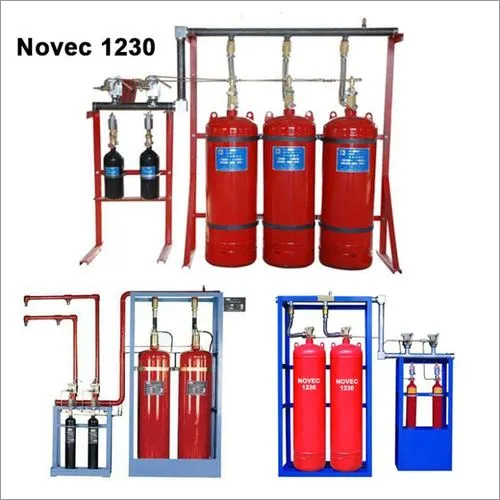
a. Gas-based Suppression: Systems may release inert gases or clean agents, such as FM-200 or CO2, to extinguish the fire by reducing oxygen levels or cooling the affected area.
b. Water-based Suppression: In certain cases, water-based sprinkler or deluge systems may be employed, although this is less common due to the risk of electrical shock.
c. Shutdown: The system can trigger the shutdown of power to the affected panel or area to prevent further electrical arcing or overheating.
3. Alerting and Notification: Once a hazard is detected and suppression measures are initiated, the system can activate alarms and notifications to alert personnel and emergency services. Notifications can be sent through various means, such as sirens, strobe lights, email alerts, or text messages.
4. Remote Monitoring and Control: Many modern systems offer remote monitoring and control capabilities, allowing operators to assess the situation from a safe distance and take appropriate actions remotely.
5. Integration: These systems can often be integrated into larger building management or fire protection systems to ensure a coordinated response in the event of a fire or electrical hazard.
6. Maintenance and Testing: Regular maintenance and testing of the system are essential to ensure its reliability. This includes checking sensors, gas levels (if gas-based suppression is used), and the functionality of all components.
Implementing an Electrical Panel Detection Suppression System is crucial for the safety of personnel and the protection of valuable equipment in industrial and commercial settings. These systems are designed to detect and respond to electrical faults and fires swiftly, minimizing the potential for damage and injuries. Proper design, installation, and maintenance are essential to ensure their effectiveness.
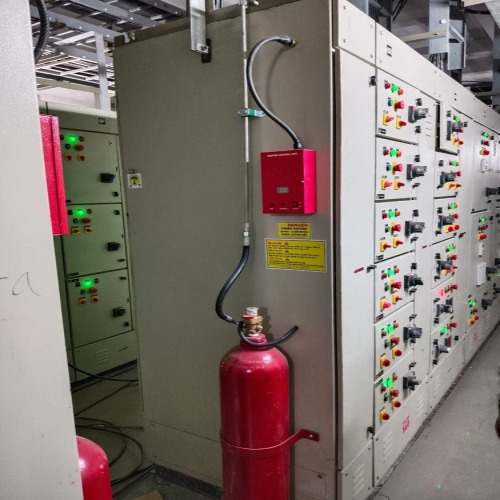
Advanced Fire Detection and Rapid SuppressionHarnessing flexible polymer tube or linear heat cable sensing, this system identifies heat rise immediately and activates the suppression process in less than 10 seconds. The automatic mechanism ensures swift extinguishing of Class A, B, and C electrical fires, helping to minimize downtime and equipment damage during critical emergencies.
Comprehensive Compatibility and Scalable CoverageEngineered to suit all standard electrical and control panels, the system is adaptable for a variety of panel sizes. Its modular design-offering coverage from 4m3 up to 10m3 per unit-enables expansion as needed for larger setups, ensuring high-performance fire protection across diverse installations.
Low Maintenance and Long System LifeBuilt with a seamless, powder-coated steel cylinder, the suppression system requires only an annual inspection, keeping running costs minimal. With proper maintenance, it offers a service life of up to 10 years, making it a reliable choice for organizations seeking durable fire safety solutions.
FAQ's of Electrical Panel Detection Suppression System:
Q: How does the Electrical Panel Detection Suppression System detect and suppress fires?
A: The system uses flexible polymer tubes or linear heat sensing cables to instantly detect high temperatures or flames inside electrical panels. Upon sensing fire, it automatically releases a clean suppression agent through tubing directly into the protected area, extinguishing the fire within 8-15 seconds.
Q: What types of fires can this system handle?
A: This suppression system is engineered to combat Class A (ordinary combustibles), Class B (flammable liquids), and Class C (electrical) fires, making it suitable for comprehensive protection of electrical and control panels.
Q: When should the system be inspected and maintained?
A: Annual inspection is recommended to ensure the system's optimal functioning. Maintenance primarily involves checking the cylinder's pressure and condition, as well as the integrity of detection tubes or cables.
Q: Where can this suppression system be installed?
A: This system is designed for direct mounting on or inside any standard electrical or control panel. It is suitable for industrial, commercial, and facility-wide installations where electrical fire risk is present.
Q: What is the process for integrating the system with alarm mechanisms?
A: The suppression system provides a potential free contact for remote alarm interface, enabling seamless connectivity with existing building management or fire alarm panels. Alarm circuits may require 12/24V DC as per integration needs.
Q: How does the system benefit electrical installations?
A: By providing immediate fire detection and rapid suppression inside panel enclosures, the system greatly reduces the risk of equipment loss, operational downtime, and potential harm to personnel, while requiring low maintenance and supporting long-term reliability.
Q: Is manual intervention required to activate the system?
A: The system is fully automatic but also includes a manual override option, allowing users to discharge the suppression agent manually in case of emergency or system fault.

 Send Inquiry
  Call Us 07971670816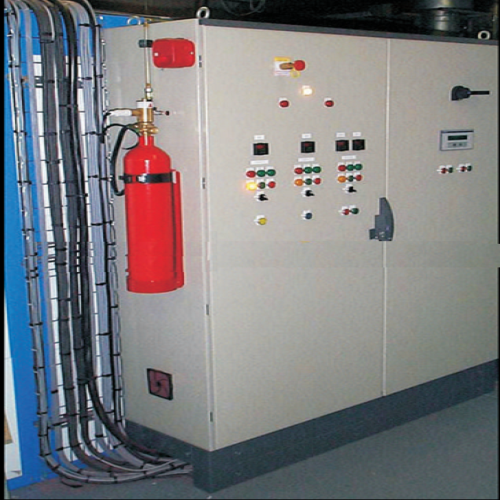

 Send Inquiry



 Send Inquiry
 Send Inquiry
 Send SMS
 Call Me Free


 English
 Spanish
 French
 German
 Italian
 Chinese (Simplified)
 Japanese
 Korean
 Arabic
 Portuguese