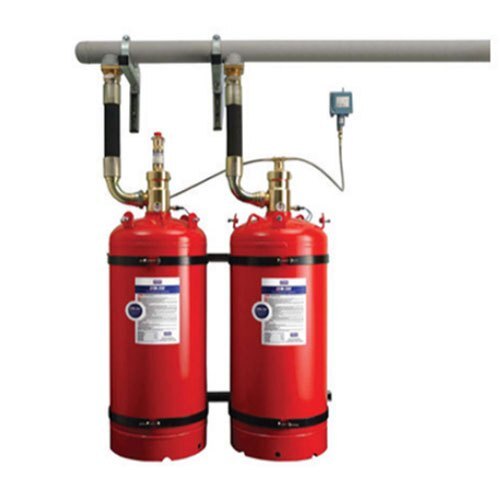
Novec 1230 Fire Extinguishing System About
A fire extinguishing system is a crucial component of fire protection in buildings, facilities, and industrial settings. Its primary purpose is to detect, control, and extinguish fires to prevent property damage, injury, and loss of life. There are various types of fire extinguishing systems designed to meet specific needs and conditions.
Here are some common types of fire extinguishing systems:
1. Fire Sprinkler System: Fire sprinkler systems are among the most common and effective fire suppression methods. They consist of a network of pipes, sprinkler heads, and a water supply. When a fire is detected, the sprinkler heads closest to the fire activate and release water to suppress the flames.
2. Clean Agent Fire Suppression System: Clean agent systems use environmentally friendly gases or chemicals to extinguish fires. These systems are typically used in environments where water could damage sensitive equipment, such as data centers, server rooms, or museums.
3. Carbon Dioxide (CO2) Fire Suppression System: CO2 systems are used in areas where fires need to be extinguished quickly and efficiently, like industrial spaces and flammable liquid storage areas. The rapid discharge of CO2 displaces oxygen, smothering the fire.
4. Foam Fire Suppression System: Foam systems are used for fires involving flammable liquids like oil and gasoline. The foam blankets the liquid, preventing the release of flammable vapors and suppressing the fire.
5. Dry Chemical Fire Suppression System: Dry chemical systems use dry powder extinguishing agents to suppress fires involving flammable liquids and electrical equipment. They are commonly found in commercial kitchens and industrial settings.
6. Water Mist Fire Suppression System: Water mist systems use a fine mist of water to suppress fires. They are suitable for various applications, including enclosed spaces, marine vessels, and certain industrial processes.
7. Pre-action Fire Sprinkler System: Pre-action systems are a variation of traditional sprinkler systems. They require two triggers to activate: a fire detection system alarm and the activation of a sprinkler head. These systems are used in areas where accidental water discharge could be problematic.
8. Inert Gas Fire Suppression System: Inert gases like argon or nitrogen are used in these systems to reduce the oxygen concentration in the protected area, effectively extinguishing the fire. They are used in environments where minimal damage to equipment is essential.
9. High-Expansion Foam System: High-expansion foam systems produce large volumes of foam to fill enclosed spaces rapidly. They are used in places like aircraft hangars and basements.
10. Water Deluge System: Deluge systems involve open nozzles that release a large amount of water when activated. They are used in hazardous environments like chemical storage facilities and oil refineries.
Fire extinguishing systems are designed to operate automatically in response to fire detection, and they can also be manually activated when necessary. Proper installation, maintenance, and testing of these systems are essential to ensure their effectiveness in fire emergencies. Fire codes and regulations often dictate the type of fire extinguishing system required for a specific location or industry to ensure safety and compliance.
Quick and Reliable Fire SuppressionNovec 1230 provides rapid suppression with discharge times under 10 seconds, effectively combating fire emergencies in industrial and commercial spaces. The clean agent delivers non-conductive, residue-free extinguishing performance that preserves sensitive electronics and irreplaceable assets while reducing downtime after a fire event.
Eco-Conscious Fire Protection SolutionDesigned to minimize environmental impact, Novec 1230's agent has zero ozone depletion and a global warming potential below one. This makes it ideal for organizations committed to sustainable safety standards while meeting all major fire safety regulations.
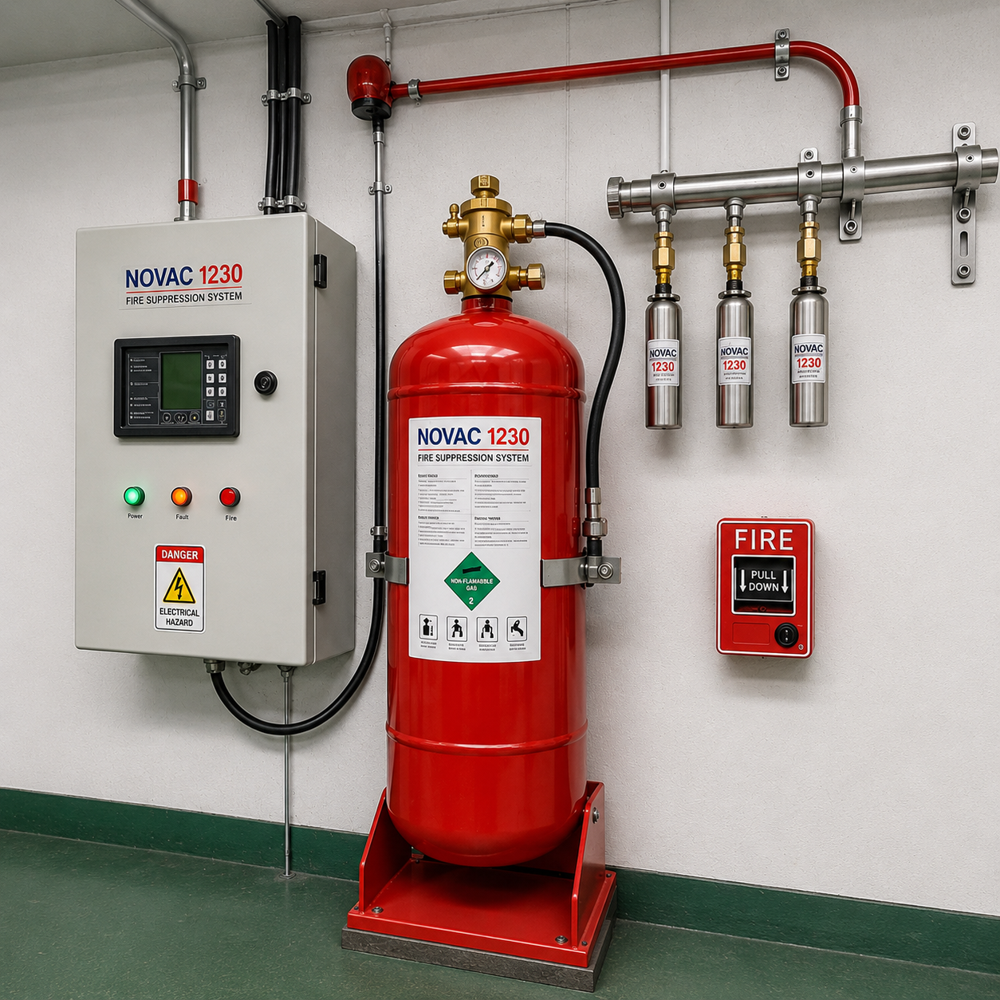
Flexible System Integration and OperationThe system can be activated electrically, pneumatically, or manually, and integrates seamlessly with fire detection and alarm systems. Floor standing or wall-mounted installation options, modular design, and wide working temperature range ensure suitability for diverse site conditions. The robust cylinder offers corrosion resistance for long-term reliability.
FAQ's of Novec 1230 Fire Extinguishing System:
Q: How does the Novec 1230 Fire Extinguishing System operate during a fire emergency?
A: The system is activated either electrically, pneumatically, or manually. Upon detection of a fire, the agent is discharged as a pressurized liquid, flooding the protected area in less than 10 seconds. It quickly extinguishes Class A, B, and C fires without leaving any harmful residues.
Q: Where can the Novec 1230 system be installed and used?
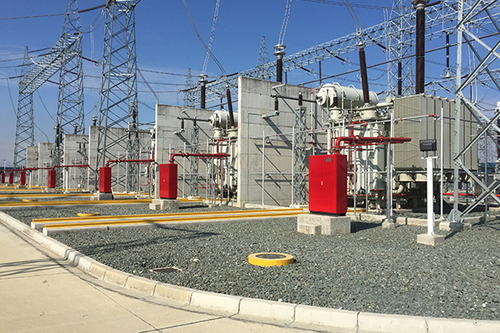
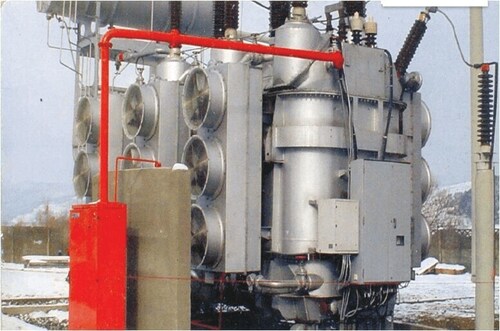
A: It is suitable for industrial and commercial settings, including server rooms, manufacturing units, data centers, and sensitive electrical equipment areas. Installations can be floor standing or wall mounted, with modular or flooding configurations to fit various building layouts.
Q: What is the environmental impact of using Novec 1230 as a fire suppression agent?
A: Novec 1230 is designed with a global warming potential of less than one and zero ozone depletion potential (ODP), making it one of the most eco-friendly solutions for fire protection available today.
Q: What are the benefits of using a clean agent like dodecafluoro-2-methylpentan-3-one?
A: This clean agent is non-conductive, leaves no residue, and is safe for critical electronics and other assets. Its fast discharge and effective extinguishing concentration (4.5% to 6% by volume) provide rapid fire control with minimal collateral damage.
Q: When does the Novec 1230 system require maintenance or agent replacement?
A: Routine inspections ensure the integrity of the system. The agent itself has a life expectancy of up to 30 years, and cylinders can be refilled if discharged, keeping long-term maintenance costs low.
Q: How is the Novec 1230 system integrated with other safety infrastructure?
A: The system connects smoothly with fire detection and alarm systems via a 24 V DC control mechanism. This integration ensures rapid and reliable response, synchronizing with building safety protocols for efficient evacuation and fire management.
Q: What approval and compliance standards does the system meet?
A: Novec 1230 system is UL Listed, FM Approved, and compliant with NFPA 2001 and ISO 14520 standards, guaranteeing trusted performance and acceptance for installation in regulated environments.

 Send Inquiry
  Call Us 07971670816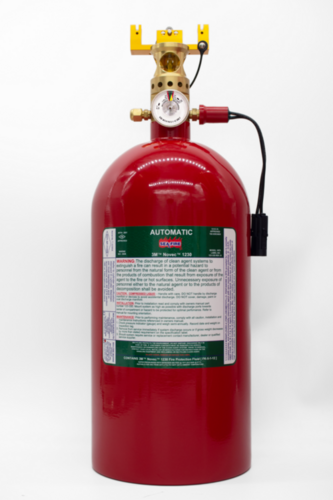

 Send Inquiry



 Send Inquiry
 Send Inquiry
 Send SMS
 Call Me Free


 English
 Spanish
 French
 German
 Italian
 Chinese (Simplified)
 Japanese
 Korean
 Arabic
 Portuguese