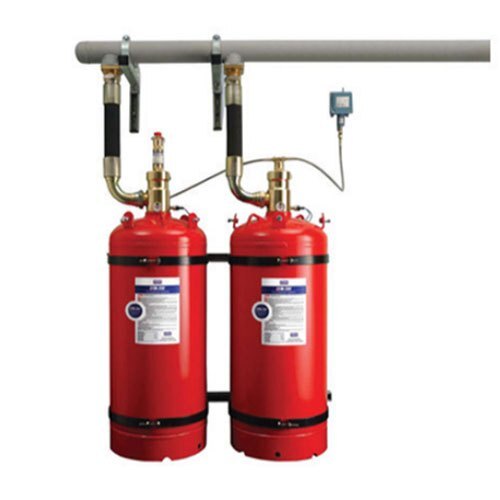
Electrical Panel Gas Suppression System About
An electrical panel gas suppression system is a fire protection system designed to prevent or extinguish fires that may occur within an electrical panel or switchgear cabinet. These systems are critical for protecting sensitive electrical equipment, preventing downtime, and ensuring the safety of personnel in industrial and commercial settings where electrical panels are used.
Here's how such a system typically works:
1. Detection: The first step in any fire suppression system is to detect the presence of a fire or excessive heat. In an electrical panel gas suppression system, heat detectors or smoke detectors may be used to sense abnormal conditions within the panel. Alternatively, some systems can be triggered manually by operators.
2. Activation: Once a fire or excessive heat is detected, the suppression system is activated. This typically involves releasing a fire-suppressing gas or agent into the electrical panel enclosure. Common fire-suppressing agents used in these systems include:
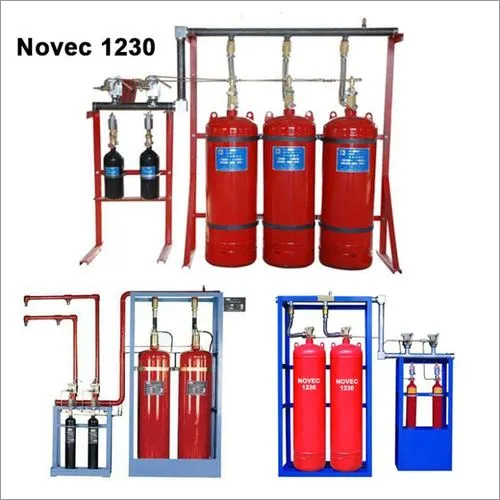
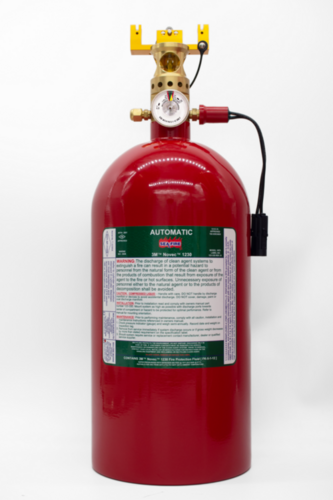
a. Clean Agents: Clean agents like FM-200, Novec 1230, or Inergen are non-toxic, electrically non-conductive gases that quickly extinguish fires by removing heat. They leave no residue, making them suitable for protecting sensitive electrical equipment.
b. Carbon Dioxide (CO2): CO2 is an inert gas that displaces oxygen, depriving the fire of its fuel source. It is highly effective but can be dangerous to humans if released in high concentrations.
c. Dry Chemicals: Dry chemical agents, such as ABC powder, are often used in portable fire extinguishers but can also be adapted for fixed systems. They work by smothering the fire.
3. Suppression: The released gas or agent rapidly suppresses the fire by either cooling the flames, removing oxygen, or interfering with the combustion process. The specific mechanism depends on the type of agent used.
4. Monitoring: During and after the suppression, the system continues to monitor the conditions within the electrical panel. It ensures that the fire is completely extinguished and that no re-ignition occurs.
5. Shutdown and Reset: Once the fire is confirmed to be extinguished, the system can be reset, and the electrical panel can be safely powered back up.
Key considerations for implementing an electrical panel gas suppression system include:
1. Safety: The selected agent must be safe for personnel and not damage the electrical equipment it's meant to protect.
2. Compatibility: The system should be compatible with the specific electrical panel or switchgear being protected.
3. Code Compliance: Ensure that the system complies with local fire codes and regulations.
4. Maintenance: Regular maintenance and inspection are essential to ensure the system's continued effectiveness.
5. Training: Personnel should be trained in the proper use and operation of the suppression system.
Overall, an electrical panel gas suppression system is a crucial safety feature in environments where the risk of electrical fires is significant. It helps safeguard both people and equipment by swiftly and effectively suppressing fires.
Advanced Clean Agent TechnologyOur suppression system incorporates internationally recognized clean agents, including HFC-227ea, FK-5112, and NOVEC 1230, to rapidly extinguish fires without leaving residue or causing harm to electronic components. These agents are safe for sensitive equipment and eco-conscious, as they are non-conductive and have zero ozone depletion potential.
Fast and Reliable Fire ResponseEquipped with heat sensing tubes or linear heat sensing cables, the system detects and suppresses fires automatically within 10 seconds of ignition. The rapid response is essential for minimizing damage and downtime, making the system ideal for server racks, electrical panels, and MCC panels.
Seamless Integration and InstallationThis gas suppression solution can be mounted directly inside panels or cabinets in either a vertical or horizontal position and operates on 24V DC for electronic models. Its compact cylindrical design (65 mm diameter) and robust materials allow for versatile use in various environments and seamless integration with existing fire alarm systems.
FAQ's of Electrical Panel Gas Suppression System:
Q: How does the Electrical Panel Gas Suppression System function in case of a fire?
A: The system automatically detects a fire using heat sensing tubes or linear heat sensing cables placed within the panel. When a significant temperature rise is detected, it triggers immediate discharge of the clean agent (HFC-227ea, FK-5112, or NOVEC 1230) via brass or stainless steel nozzles, extinguishing the fire silently and efficiently within 10 seconds.
Q: What are the installation options and required panel sizes for this system?
A: The suppression system is designed for direct mounting inside electrical panels, control cabinets, or server racks. It fits compactly with a 65 mm cylinder diameter and is suitable for coverage areas between 1 to 3 cubic meters per unit, depending on the size and configuration of the panel.
Q: When should the suppression system be refilled or serviced?
A: Under optimal conditions, the system has a lifespan of up to 10 years. If a discharge occurs, the seamless steel or aluminum alloy cylinders are refillable and should be serviced and refilled immediately by a qualified technician to ensure continuous protection.
Q: Where can this gas suppression system be used effectively?
A: This system is ideal for protecting electrical panels, server racks, MCC panels, control panels, and other confined electronic enclosures in industrial, commercial, and IT settings where clean, residue-free suppression is crucial.
Q: What is the process for connecting the system to an existing fire alarm or monitoring system?
A: The system is designed for connectivity flexibility; electronic models offer NO/NC dry contact signal outputs for integration with central fire alarms or building management systems. End-of-line monitoring is available for enhanced supervision and fault detection.
Q: How does the system ensure the safety of sensitive electronic equipment?
A: The clean agents used are non-conductive, leave no residue, and operate without producing harmful byproducts, making them ideal for safeguarding electronics and data equipment without risking corrosion or electrical short-circuits.
Q: What are the key benefits of using this gas suppression system?
A: Key advantages include rapid automatic response, silent operation, minimal equipment downtime after a discharge, refillable cylinders, eco-friendly clean agents, and robust construction for reliable, long-term fire protection in critical electronic environments.

 Send Inquiry
  Call Us 07971670816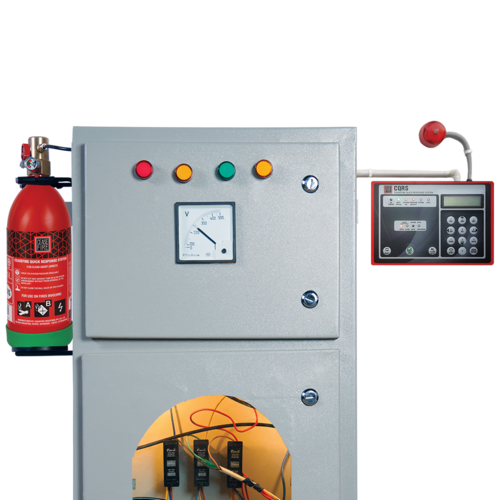

 Send Inquiry



 Send Inquiry
 Send Inquiry
 Send SMS
 Call Me Free


 English
 Spanish
 French
 German
 Italian
 Chinese (Simplified)
 Japanese
 Korean
 Arabic
 Portuguese