Dual Agent Retardant Fire Suppression System About
A dual agent retardant fire suppression system is a specialized fire protection system designed to combat fires by using two different types of fire suppression agents. These systems are typically used in environments where traditional fire suppression methods may not be sufficient, such as areas with high fire risks or where the suppression of certain types of fires is particularly challenging. Here's an overview of how a dual agent retardant fire suppression system works:
1. Dual Agents: As the name suggests, these systems employ two different fire suppression agents, which are chosen based on the type of fire expected to occur in the protected area. The two most common agents used are water and a chemical-based agent like a foam or dry chemical powder.
2. Detection and Activation: The system includes fire detection devices such as smoke detectors, heat detectors, or flame detectors. When a fire is detected, the system's control panel activates the suppression process.
3. Agent Release: Depending on the type of fire detected, the system releases the appropriate combination of agents. For example, if it's a Class A fire (involving ordinary combustibles like wood or paper), the system might release water to extinguish the flames. For Class B or C fires (involving flammable liquids or electrical equipment), it might release a chemical agent like foam or dry chemical powder.
4. Simultaneous Suppression: The dual agent system is designed to deliver both agents simultaneously, creating a synergistic effect. Water helps to cool the fire and suppress any Class A material involved, while the chemical agent works to suppress Class B and C fires by inhibiting the chemical reactions required for combustion.
5. Coverage and Containment: The system is strategically designed to ensure that the fire is adequately covered and contained. Nozzles and distribution systems are placed throughout the protected area to provide even coverage.
6. Monitoring and Shutdown: The system continuously monitors the fire situation. Once the fire is controlled and the area is deemed safe, it can shut down to prevent excessive use of fire suppression agents and water damage.
Dual agent retardant fire suppression systems are commonly used in industrial settings, chemical storage facilities, data centers, and other locations where a combination of fire risks is present. The advantage of using two agents is that it increases the system's effectiveness against a wider range of fire hazards compared to a single-agent system. However, it's essential to design and maintain these systems correctly to ensure their reliability in the event of a fire emergency. Compliance with relevant fire codes and regulations is crucial to ensuring safety and effectiveness.
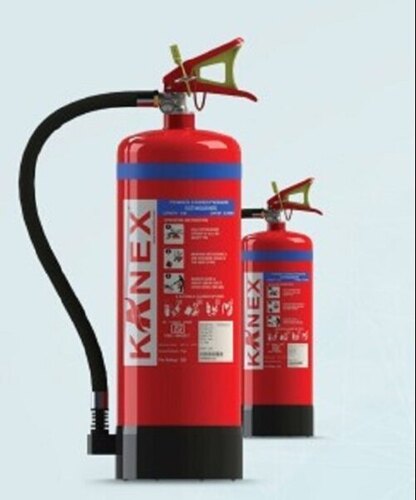
Advanced Dual-Agent SuppressionThe system utilizes both ABC dry chemical and HFC-227ea clean agent, ensuring comprehensive protection against multiple fire types. Designed for versatility, it is suitable for critical applications such as data centers, industrial facilities, power plants, and commercial buildings, maintaining high effectiveness with quick suppression technology.
Innovative Activation MechanismActivation is possible via integrated thermal and smoke detection for automatic response, or through remote manual release for enhanced control. The built-in visual and audible alarm system guarantees immediate alerting in the event of faults, errors, or fire, with signal outputs for real-time status monitoring.
Reliability and ComplianceConstructed from durable, corrosion-resistant carbon steel, the unit is IP56 rated for superior ingress protection. It meets ROHS and WEEE environmental standards, providing an eco-friendly fire suppression solution with a service life of at least 10 years. Annual maintenance is recommended for optimal performance.
FAQ's of Dual Agent Retardant Fire Suppression System:
Q: How does the Dual Agent Retardant Fire Suppression System activate during a fire emergency?
A: The system detects fire using built-in thermal and smoke sensors for automatic activation within 3 seconds. Additionally, remote manual activation allows users to trigger suppression if needed, ensuring both rapid and controlled response.
Q: What types of fires can this system effectively suppress?
A: This unit is engineered to handle Fire Classes A, B, C, and E, thanks to its dual agents-ABC dry chemical and HFC-227ea clean agent. It efficiently extinguishes solid, liquid, electrical, and gas-based fires.
Q: When is maintenance required for proper system functionality?
A: For optimal operation and compliance with safety standards, annual maintenance is recommended. Routine checks ensure agent refill, mechanical integrity, and alarm system reliability throughout its service life.
Q: Where can the system be installed for maximum utility?
A: Its modular design allows for flexible wall or ceiling mounting, ideal for industrial facilities, commercial buildings, data centers, and power plants-covering up to 600 sq. meters per unit.
Q: What is involved in the refill and discharge process?
A: After any fire event or scheduled maintenance, the fire suppression unit can be refilled with dual agents. Discharge lasts less than 60 seconds, and the system maintains performance standards for rapid fire suppression.
Q: How does integrated remote monitoring benefit facility operators?
A: Remote monitoring, enabled via wired or wireless connectivity, notifies operators of faults, alarms, or errors in real time. It increases situational awareness and ensures timely intervention, enhancing safety and operational efficiency.
Q: What are the advantages of using this fire suppression solution over traditional systems?
A: This system provides faster response (under 3 seconds), non-corrosive agents with low toxicity, A+ energy efficiency, extended service life (10+ years), and robust environmental compliance, all contributing to superior fire protection and reduced maintenance costs.

 Send Inquiry
  Call Us 07971670816

 Send Inquiry



 Send Inquiry
 Send Inquiry
 Send SMS


 English
 Spanish
 French
 German
 Italian
 Chinese (Simplified)
 Japanese
 Korean
 Arabic
 Portuguese