CLEAN AGENT GAS REFILLING About
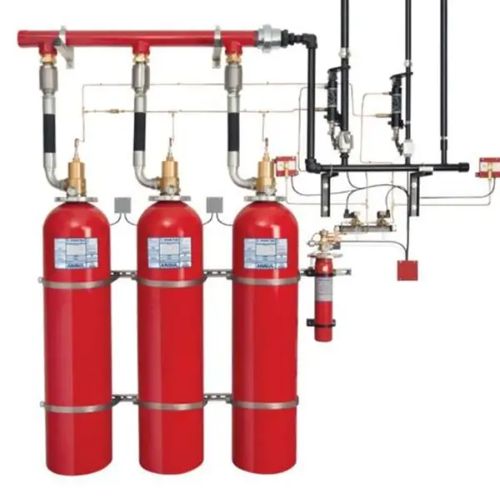
Clean Agent Gas Refilling System
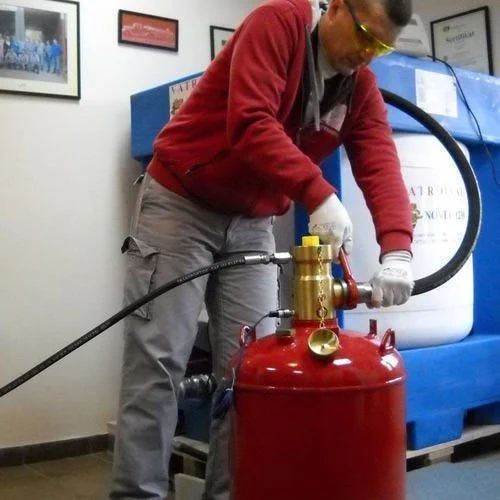
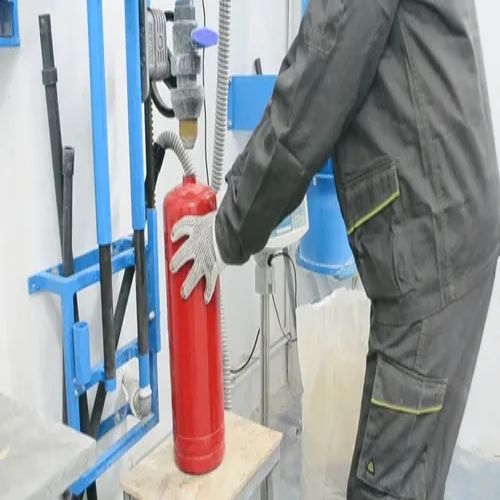
- Clean Agent Gas Refilling System is used to refill discharged fire suppression cylinders.
- It can be used for agents like FK-5-1-12 and HFC-227ea (FM-200).
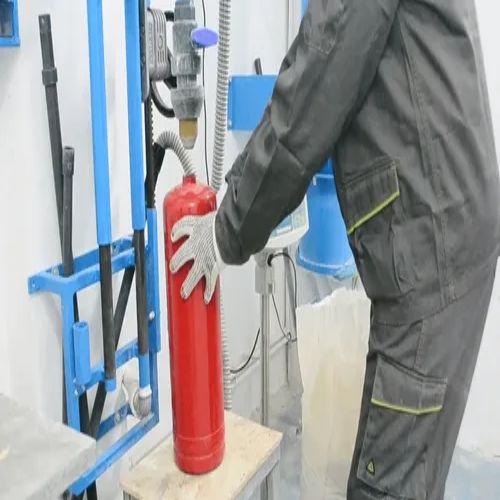
- The cylinder is first inspected and vacuumed to remove air and moisture.
- The required quantity of clean agent is filled using a calibrated weighing system.
- The cylinder is then pressurized with nitrogen as per the required pressure.
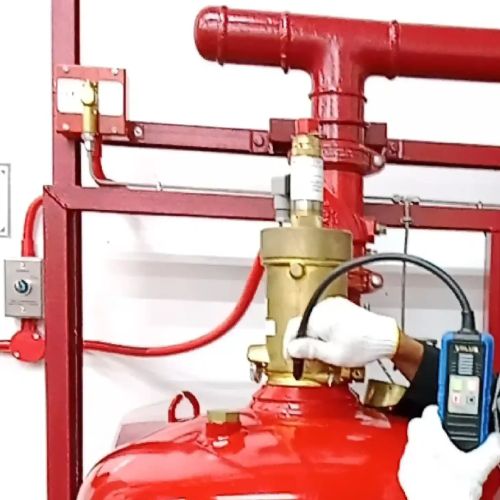
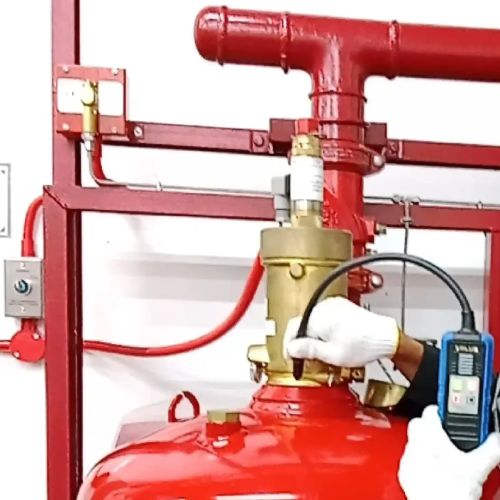
- Leakage, weight and pressure are checked after refilling.
- The refilled cylinder is sealed, tested and made ready for reuse.
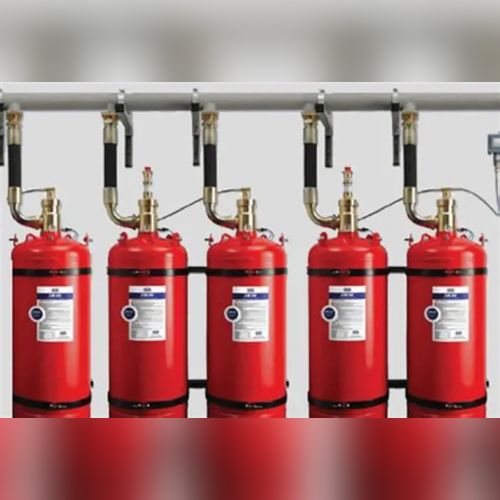
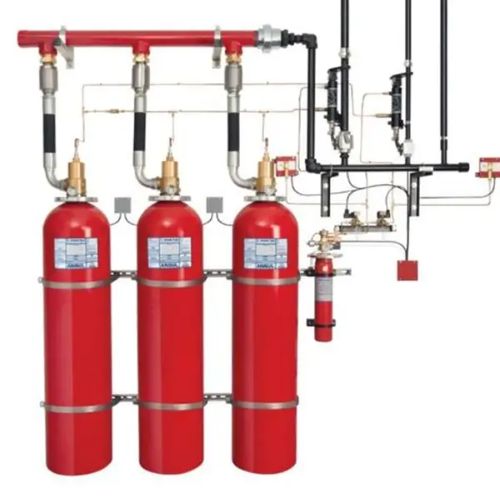
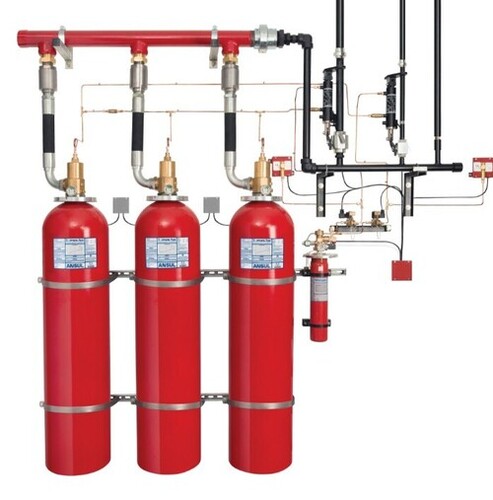
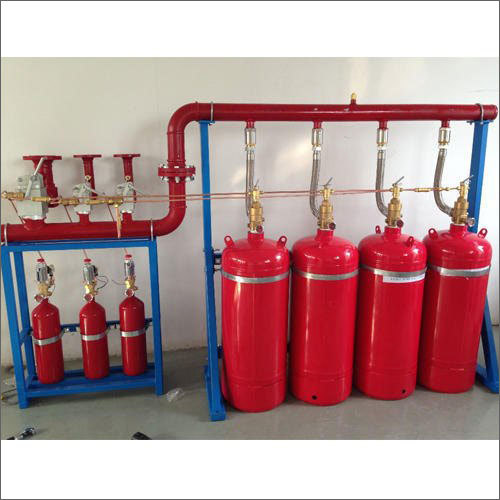
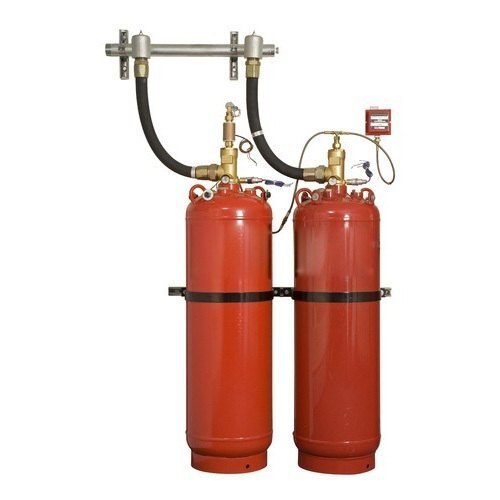
Advanced Cylinder Construction for Ultimate SafetyOur cylinders are crafted from high-strength steel, coated for corrosion resistance, and designed to withstand factory-set pressures up to 42 bar. Available in various capacities and with multiple mounting options, each cylinder is built to ensure long-term reliability in both wall-mounted and floor-standing installations. Stringent leak detection methods and regular visual inspections guarantee continued safety and optimal performance.
Environmentally Responsible Fire SuppressionUtilizing clean agent gases such as NOVEC 1230 and HFC-227ea, our system provides rapid, non-toxic fire suppression with zero ozone depletion potential. The clean agents are safe for people, IT equipment, and critical infrastructure, ensuring that fire protection does not compromise environmental health or sensitive electronics.
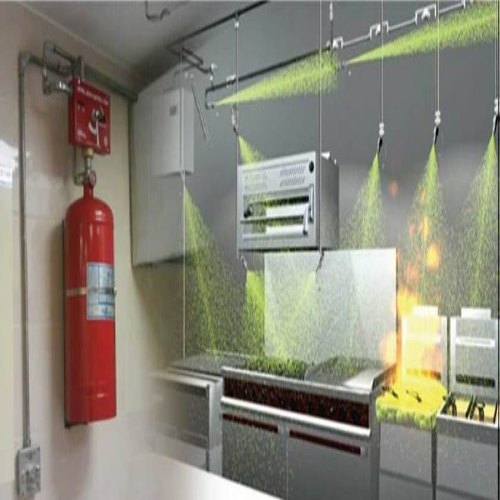
Flexible Integration and Rapid ProtectionOur clean agent system seamlessly integrates with standard building fire alarms and can be operated manually or automatically. With a discharge time under 10 seconds, the system is designed for rapid response, effectively protecting areas up to 200 m2 per cylinder. Modular systems and varied capacities suit diverse structural requirements, offering a tailored safety solution for businesses of any size.
FAQ's of CLEAN AGENT GAS REFILLING:
Q: How often does my clean agent gas cylinder need to be refilled?
A: The cylinder should be refilled after every discharge or according to the maintenance schedule provided by the manufacturer or local codes. Periodic inspections and annual testing are also recommended to maintain readiness.
Q: What types of fires can the clean agent system suppress?
A: This system is designed to extinguish Class A (solid), Class B (liquid), and Class C (electrical) fires, making it very versatile for commercial and industrial environments.
Q: What is the refilling process for a clean agent gas system?
A: Refilling involves removing the discharged cylinder, checking it for leaks using electronic detectors or pressure gauges, and recharging it with the specified clean agent gas under controlled conditions, ensuring proper pressure and certification.
Q: Is the clean agent gas safe for humans and sensitive equipment?
A: Yes, the clean agents used are non-toxic when applied as directed and leave no residue. They are non-conductive, making them safe for use around electronics and personnel.
Q: When should electronic leak detection or pressure gauge testing be performed?
A: Leak tests should be carried out during every periodic inspection, during annual maintenance, and immediately after any discharge or refilling procedure to ensure cylinder integrity and safety.
Q: Where can the clean agent systems be installed?
A: Our systems can be wall-mounted or floor-standing in various indoor environments like server rooms, data centers, offices, and industrial spaces; installation choices depend on design requirements and coverage needs.
Q: What are the benefits of using NOVEC 1230 or similar clean agent gases?
A: Benefits include rapid fire suppression, zero ozone depletion potential, minimal environmental impact, no residue, and safety for both people and sensitive devices.

 Send Inquiry
  Call Us 07971670816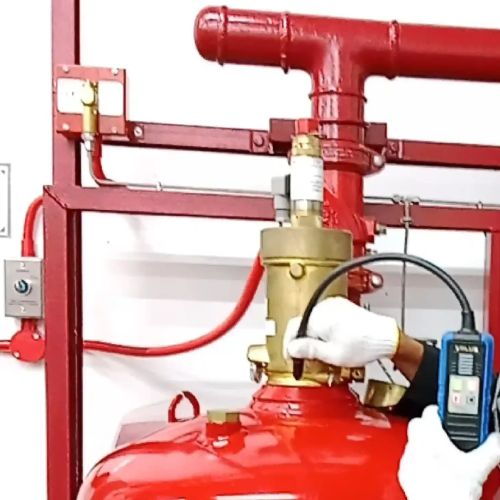

 Send Inquiry



 Send Inquiry
 Send Inquiry
 Send SMS


 English
 Spanish
 French
 German
 Italian
 Chinese (Simplified)
 Japanese
 Korean
 Arabic
 Portuguese