Agni Wireless Smoke Detector About
A wireless smoke detector is a device designed to detect smoke and trigger an alarm in the event of a fire. Unlike traditional wired smoke detectors, wireless smoke detectors communicate with a central control panel or other interconnected devices using wireless technology, such as Wi-Fi, Bluetooth, Zigbee, or proprietary radio frequencies. These detectors are commonly used in residential and commercial buildings to enhance fire safety and provide flexible installation options.
Here are some key features and benefits of wireless smoke detectors:
1. Easy Installation: Wireless smoke detectors are easier to install than their wired counterparts because they don't require extensive wiring. This makes them suitable for both new construction and retrofitting in existing buildings.
2. Interconnectivity: Many wireless smoke detectors can be interconnected with other smoke detectors and fire alarm devices, such as heat detectors, carbon monoxide detectors, and fire alarm control panels. When one detector detects smoke, it can trigger all interconnected devices to sound an alarm simultaneously.
3. Remote Monitoring: Some wireless smoke detectors can be connected to a central monitoring system, which can alert emergency services or notify homeowners remotely when smoke is detected, even when they are away from the property.
4. Battery Backup: Wireless smoke detectors typically have battery backup systems to ensure they continue functioning during power outages. This is essential for maintaining fire protection when electrical power is unavailable.
5. Tamper Alerts: Some models include tamper-resistant features, which can trigger an alert if someone tries to disable or tamper with the detector.
6. Integration with Smart Home Systems: Many wireless smoke detectors can integrate with smart home systems, allowing homeowners to receive alerts on their smartphones, tablets, or other connected devices. Integration with voice assistants like Amazon Alexa or Google Assistant is also possible, enabling voice alerts and control.
7. Reduced False Alarms: Advanced wireless smoke detectors often incorporate sophisticated sensors and algorithms to reduce false alarms caused by cooking smoke or steam, helping prevent unnecessary disruptions.
8. Regular Maintenance Alerts: Some wireless detectors have self-diagnostic features that can alert homeowners or maintenance personnel when the device needs cleaning or replacement.
FAQ:
Q. What is a wireless smoke detector?
Ans: A wireless smoke detector is a device designed to detect the presence of smoke, which may indicate a fire, and wirelessly communicate this information to other devices or a central control panel. It is used for fire detection and alarm purposes.
Q. How do wireless smoke detectors work?
Ans: Wireless smoke detectors use sensors, typically ionization or photoelectric sensors, to detect smoke particles in the air. When smoke is detected, the detector triggers an alarm and wirelessly sends a signal to interconnected devices or a central control panel, which can then activate alarms, notifications, or other safety measures.
Q. Are wireless smoke detectors as reliable as wired ones?
Ans: When installed and maintained correctly, wireless smoke detectors are just as reliable as wired detectors. They offer the advantage of easier installation and flexibility in placement but require periodic battery replacement and regular testing to ensure their reliability.
Q. Do wireless smoke detectors require batteries?
Ans: Yes, most wireless smoke detectors require batteries for power, even if they are connected to a building's electrical system. The batteries serve as a backup power source in case of power outages. It's essential to replace these batteries as needed to ensure the detector's continuous operation.
Q. How often should I replace the batteries in a wireless smoke detector?
Ans: Manufacturers typically recommend replacing the batteries in wireless smoke detectors at least once a year or as soon as you hear a low-battery warning signal. Regular battery replacement is crucial to ensure the detector's functionality during emergencies.
Q. Can wireless smoke detectors be interconnected with other devices?
Ans: Yes, many wireless smoke detectors can be interconnected with other smoke detectors, carbon monoxide detectors, heat detectors, and fire alarm control panels. This interconnectivity allows all interconnected devices to trigger alarms simultaneously when smoke or a fire is detected in one location.
Q. Can wireless smoke detectors be integrated with smart home systems?
Ans: Yes, several wireless smoke detector models are compatible with smart home systems and can be integrated with platforms like Amazon Alexa, Google Assistant, or home automation systems. This integration allows for remote monitoring and control using smartphones or voice commands.
Q. Do wireless smoke detectors have false alarm reduction features?
Ans: Some advanced wireless smoke detectors incorporate technology to reduce false alarms caused by cooking smoke or steam. These features use advanced sensors and algorithms to distinguish between actual fire threats and common household nuisances.
Q. How do I test a wireless smoke detector?
Ans: Most wireless smoke detectors have a test button that allows you to initiate a self-test. When pressed, the detector should sound an alarm, indicating that it's functioning correctly. Test your smoke detectors regularly, at least once a month, to ensure they are operational.
Q. Can I install wireless smoke detectors myself, or do I need a professional installer?
Ans: Many wireless smoke detectors are designed for easy DIY installation, making them accessible to homeowners. However, if you're not comfortable with installation or want to ensure compliance with local building codes, it's advisable to consult a professional installer or electrician.
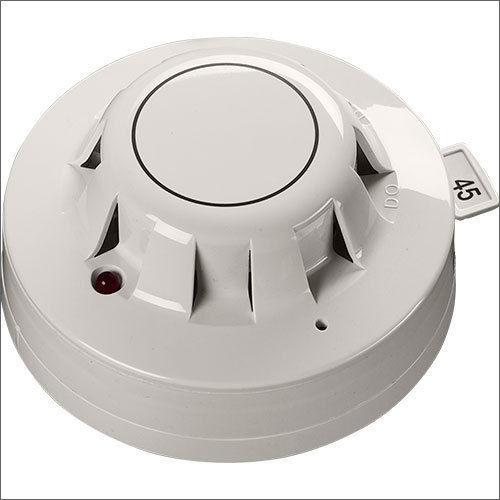
Secure and Easy InstallationDesigned for quick ceiling or wall mounting, the Agni Wireless Smoke Detector features a compact, round shape and user-friendly surface mount installation. Its wireless connectivity eliminates complex wiring, allowing flexible placement at optimal locations for fire safety coverage.
Reliable Performance in Challenging EnvironmentsWith an operating temperature range from -10C to +50C and humidity tolerance up to 95% RH, this detector is built to function effectively in diverse Indian climates. The robust ABS plastic housing offers resistance to heat and enhances safety standards.
Smart Features for Efficient Fire DetectionEquipped with a high-sensitivity photoelectric sensor and a loud audible alarm, the smoke detector ensures instant notification during fire emergencies. The wireless RF connectivity supports remote monitoring, while the LED indicator provides clear visual status updates.
FAQ's of Agni Wireless Smoke Detector:
Q: How do I install the Agni Wireless Smoke Detector in my home or office?
A: The Agni Wireless Smoke Detector is designed for simple installation. Mount it on the ceiling or wall using the provided screws and anchors, ensuring it's centered within the desired coverage area. The wireless design eliminates the need for additional wiring.
Q: What is the process for replacing the battery, and how often should it be changed?
A: To replace the battery, open the detector's ABS plastic housing and insert a new 9V replaceable battery. It's recommended to check the battery annually or when the low battery warning is triggered, ensuring continuous protection.
Q: Where is the best location to install this smoke detector for optimal performance?
A: For effective early fire warning, install the detector on ceilings or high up on walls in living spaces, hallways, and sleeping areas. Avoid placing it in kitchens or bathrooms where steam or smoke from cooking may cause false alarms.
Q: What benefits does the wireless remote control feature offer?
A: The wireless remote control allows users to test, monitor, or silence the detector remotely from up to 100 meters in open area, enhancing convenience and safety by reducing the need for direct interaction during an alarm.
Q: How does the LED indicator assist in monitoring the smoke detector's status?
A: The flashing LED indicator visually communicates the operational status of the device, signaling that it is powered and functioning. It also aids users in identifying the unit in low-light conditions.
Q: When should I consider replacing the smoke detector entirely?
A: The typical service life of the Agni Wireless Smoke Detector is five years. Replace the device at or before this interval to ensure ongoing reliable performance and adherence to safety guidelines.

 Send Inquiry
  Call Us 07971670816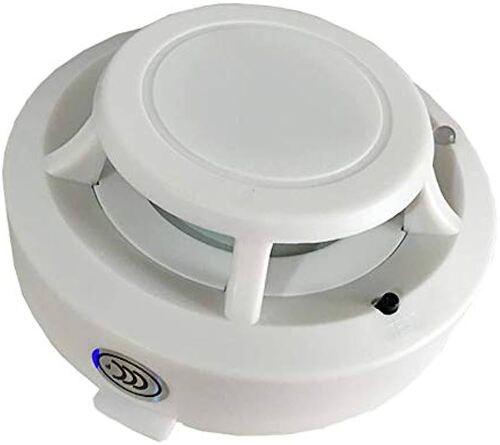

 Send Inquiry



 Send Inquiry
 Send Inquiry
 Send SMS
 Call Me Free


 English
 Spanish
 French
 German
 Italian
 Chinese (Simplified)
 Japanese
 Korean
 Arabic
 Portuguese