About Pre Engineered Fire Suppression System
A Pre-Engineered Fire Suppression System (PESS) is a specialized fire protection system designed to automatically detect and suppress fires in various types of environments, such as industrial facilities, commercial kitchens, server rooms, and more. These systems are pre-designed and pre-engineered for specific applications, making them efficient and cost-effective solutions for fire protection.
Here are some key components and features of a typical Pre-Engineered Fire Suppression System:
1. Fire Detection: PESS typically includes fire detection devices, such as heat detectors, smoke detectors, or flame detectors. These devices monitor the area for signs of a fire and trigger the suppression system when a fire is detected.
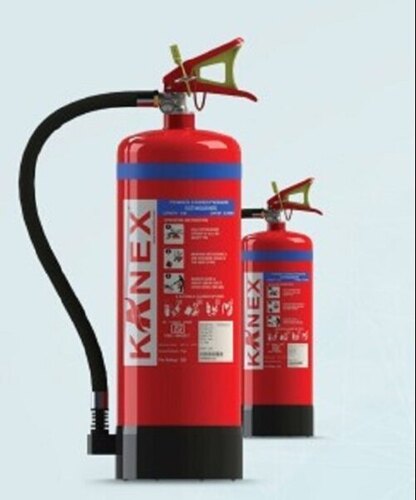
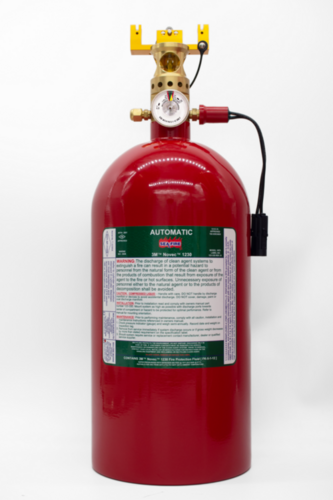
2. Suppression Agent: The system employs a specific fire suppression agent, which can vary based on the type of fire it's designed to combat. Common agents include clean agents like FM-200 or Novec 1230 for electrical and sensitive equipment fires, wet or dry chemical agents for kitchen and industrial fires, and water-based agents like sprinklers for general fire protection.
3. Control Panel: PESS is controlled by a central control panel. When a fire is detected, the control panel activates the suppression system and may also provide alarms and alerts to notify personnel.
4. Distribution System: The distribution system is responsible for delivering the fire suppression agent to the protected area. This can include pipes, nozzles, and other components designed to evenly distribute the agent for effective suppression.
5. Actuation Method: PESS can be actuated automatically when the fire detection system senses a fire, or it can be manually triggered by individuals on-site using pull stations or manual release mechanisms.
6. Gas Storage Containers: In the case of gaseous fire suppression agents like FM-200 or Novec 1230, the system includes storage containers for the agent. These containers are pressurized and release the agent when activated.
7. Maintenance and Inspection: Regular maintenance and inspection are crucial for PESS to ensure its reliability. These systems typically require periodic testing, inspection, and refilling of suppression agents as needed.
8. Compliance: Pre-Engineered Fire Suppression Systems must comply with relevant fire codes and standards, such as those established by the National Fire Protection Association (NFPA) in the United States.
Pre-Engineered Fire Suppression Systems are designed to quickly and effectively suppress fires, limiting damage to property and protecting lives. They are commonly used in settings where traditional fire sprinkler systems may not be suitable due to the nature of the environment or the presence of valuable equipment that could be damaged by water.
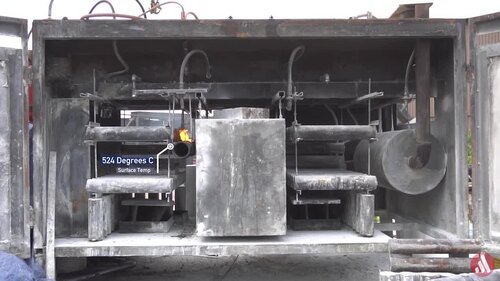
How Does the Detection and Discharge Mechanism Work?The system employs heat-sensitive pneumatic or sensor tubing that bursts or actuates mechanically when exposed to fire conditions. This instantly releases extinguishing agents directly at the source, guaranteeing a swift discharge time of less than 10 seconds and covering up to 9 m2 per module.
What Are the Application Areas for This System?Ideal for safeguarding critical electrical and industrial assets, this fire suppression solution is widely used in server rooms, telecom racks, wind turbines, CNC machines, commercial kitchens, and other enclosures prone to fire risks. Its versatility and compact design suit a broad range of enclosed environments.
Benefits of a Pre-Engineered Fire Suppression SystemWith rapid response (2-3 seconds detection, <10 seconds discharge), robust corrosion-resistant construction, and both automatic and manual activation, the system reduces asset damage and downtime. It is easy to install, demands low maintenance, includes refillable cylinders, complies with UL/FM standards, and minimizes environmental impact with clean agents.
FAQ's of Pre Engineered Fire Suppression System:
Q: How is the fire detected and extinguished in this pre-engineered system?
A: The system employs a heat-sensitive pneumatic or sensor tube that bursts or triggers a mechanical actuator when elevated temperatures are detected. This immediately initiates the discharge of the extinguishing agent-either dry chemical powder or a clean agent-directly into the protected enclosure.
Q: What typical environments and equipment can this system protect?
A: This suppression system is designed for electrical panels, wind turbines, CNC machines, telecom racks, commercial kitchens, vehicle engine compartments, server rooms, and industrial equipment enclosures. Its compact, customizable design enables flexible installation across a range of critical applications.
Q: When should the system be maintained, and what does servicing involve?
A: An annual inspection is recommended to ensure optimal reliability. Service typically includes checking the cylinder pressure, inspecting detection tubing, verifying the integrity of the extinguishing agent, and ensuring alarm integration or relay outputs (if applicable) are functioning.
Q: Where is the fire suppression system usually installed?
A: Units are surface-mounted on walls, ceilings, or directly onto enclosures and equipment-as permitted by the environment and design. The discharge tubing diameter and coverage area are customizable to fit specific cabinet or enclosure requirements.
Q: What is the procedure if the suppressing agent is discharged?
A: After an agent discharge, the system's cylinders can be either re-filled or replaced, as designed. It is important to reset detection tubes, replenish the extinguishing agent, and inspect all components before re-commissioning the system.
Q: How does the system benefit users compared to traditional fire protection?
A: This pre-engineered solution provides immediate, localized fire suppression, rapid installation, low maintenance, and does not rely on electrical power for activation. It minimizes collateral damage and downtime, and offers both dry chemical and clean agent options for various fire types.

 Send Inquiry
  Call Us 07971670816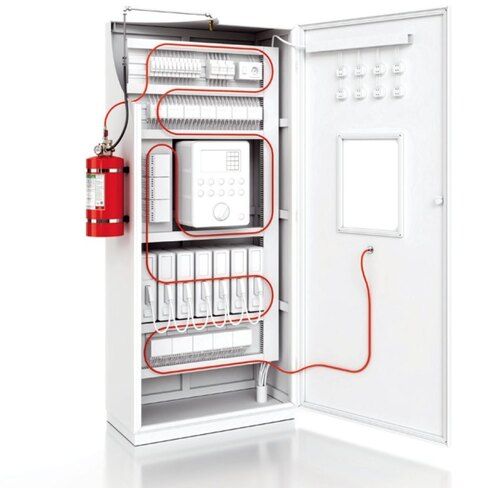

 Send Inquiry




 Send Inquiry
 Send Inquiry
 Send SMS


 English
 Spanish
 French
 German
 Italian
 Chinese (Simplified)
 Japanese
 Korean
 Arabic
 Portuguese