Medium Velocity Water Spray System (MVWS) About
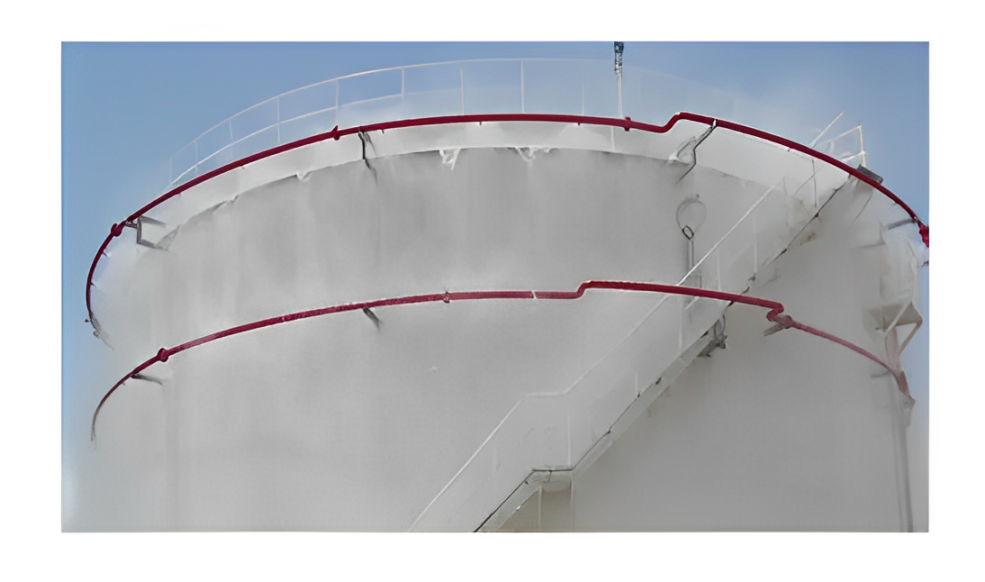
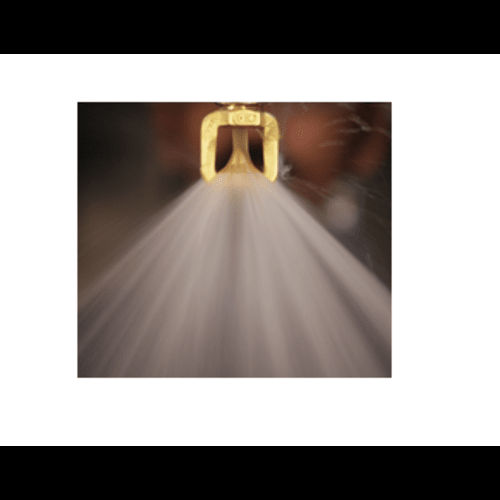
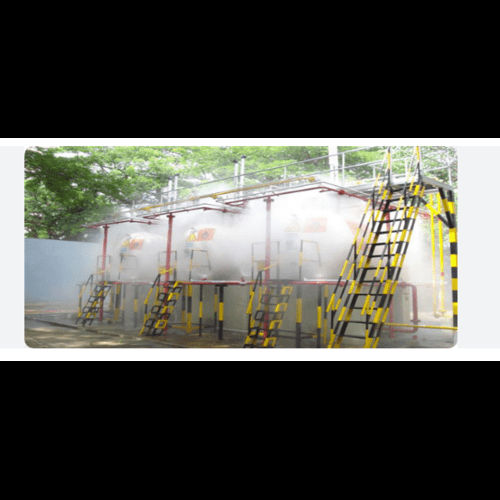
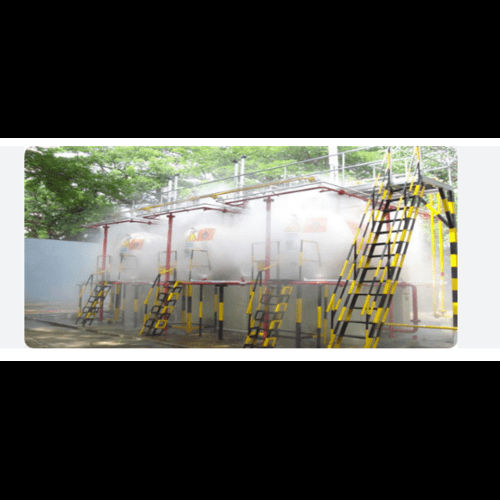
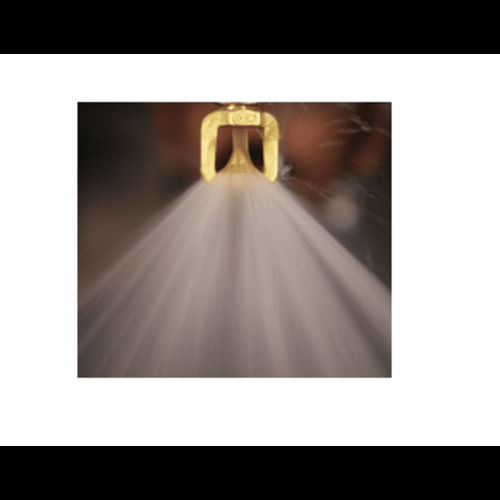
Medium Velocity Water Spray Nozzleis an open orifice, directional spray nozzle, designed for use in water spray fixed systems for fire protection.Fires involving liquids with flash points below 32C cannot always be extinguished by high velocity water spray system, and in such cases medium velocity water sprayers giving medium water drop sizes are employed. Water is sprayed directly over the protected surface, preventing dangerous temperature rise and distortion.Advanced Nozzle DesignThe MVWS features nozzles made from premium materials such as stainless steel, brass, or cupro-nickel to ensure compatibility with water quality and project-specific hazards. Nozzle discharge patterns-including fan, jet, hollow cone, and full cone-are precisely engineered to match the asset shape and risk profile, securing comprehensive spray coverage and optimal cooling efficiency.
Comprehensive Standards ComplianceAll MVWS systems are designed and manufactured in accordance with stringent safety and quality standards, including NFPA 15, IS 15325, and FM Global specifications. This guarantees reliable operation and regulatory acceptance, making it suitable for critical installations where both fire safety and compliance are non-negotiable.
Corrosion-Resistant & Durable ConfigurationMVWS employs pipework made of mild steel, galvanized steel, or stainless steel and is finished with robust coatings such as hot-dipped galvanization or epoxy/polyurethane. These features provide high corrosion resistance, making the system ideal for outdoor and aggressive petrochemical environments where durability is paramount.
FAQ's of Medium Velocity Water Spray System (MVWS):
Q: How does the Medium Velocity Water Spray System (MVWS) activate during a fire emergency?
A: The MVWS can be triggered automatically via integrated heat or smoke detection systems connected to a deluge valve, or manually by on-site personnel. Once activated, water flows immediately through the open nozzles to suppress fire and cool exposed surfaces.
Q: What are the primary applications and typical installation areas for the MVWS?
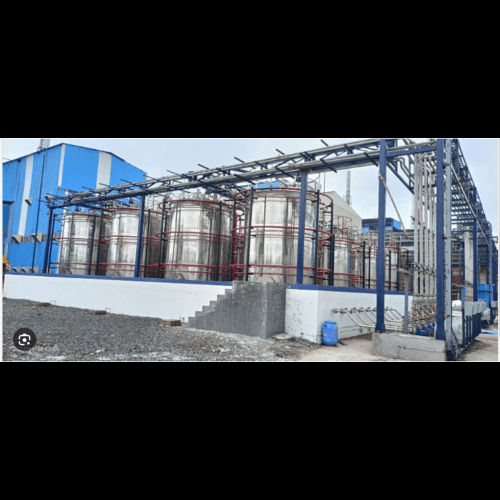
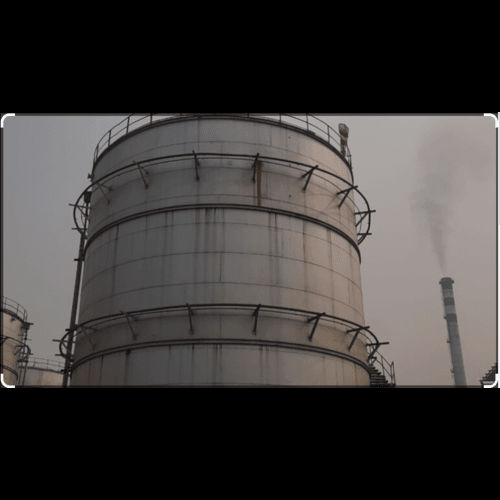
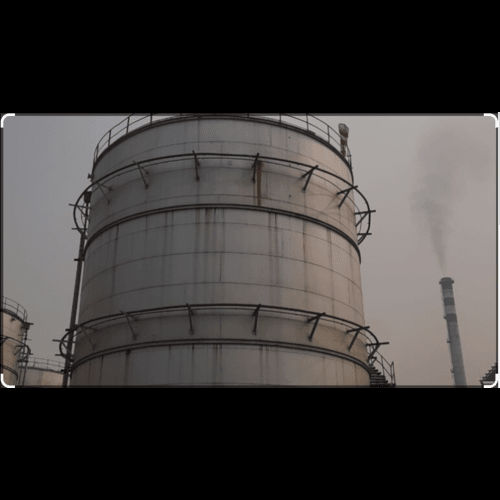
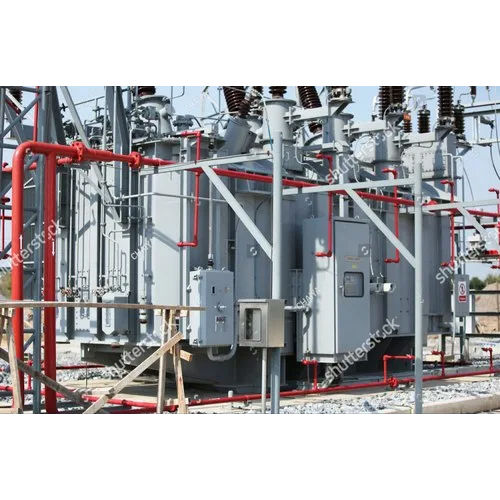
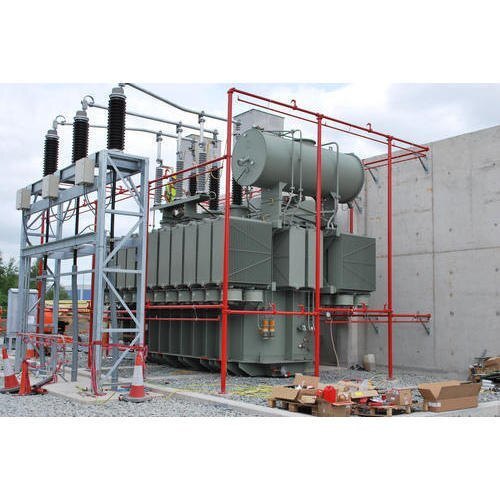
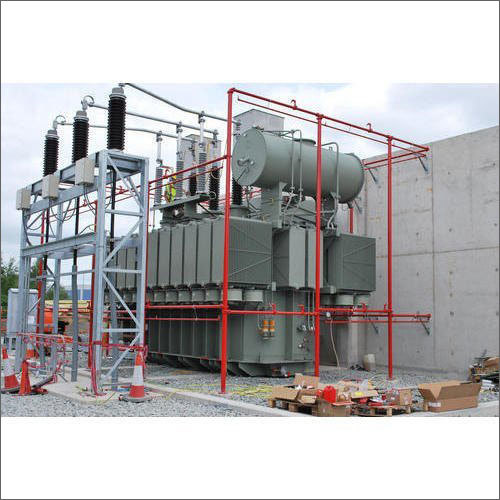
A: MVWS is widely used in heavy industrial zones, outdoor petrochemical environments, and hazardous storage areas. It is suited for protecting assets such as fuel storage tanks, transformers, and critical process equipment by being mounted on surrounding pipelines or fixed wall structures.
Q: When should the MVWS be selected over other fire suppression systems?
A: MVWS is ideal whenever the risk involves Class A (ordinary combustibles) and Class B (flammable liquids) fires, especially where large or irregularly shaped assets require rapid and uniform cooling, or where environmental conditions call for corrosion-resistant, robust solutions.
Q: Where can MVWS be installed for maximum effectiveness?
A: For optimal coverage, MVWS should be installed around the periphery of assets like storage tanks or mounted on fixed pipe structures targeting surfaces most susceptible to heat or fire. Design and hydraulic calculations ensure full area protection as per the specific site hazards.
Q: What is the process for routine maintenance and testing of the MVWS?
A: Regular maintenance includes visual inspections, nozzle integrity checks, and using the provided test and drain valve to simulate activations. This routine ensures the system's readiness and reliability in emergencies.
Q: How does the system ensure long-term reliability in harsh environments?
A: MVWS components are fabricated using corrosion-resistant materials and advanced coatings (hot dipped galvanized, epoxy, or polyurethane) to endure challenging industrial atmospheres, especially in outdoor or marine environments.
Q: What are the key benefits of using MVWS in industrial fire protection?
A: MVWS provides rapid fire response, uniform water distribution, adaptability to various hazard profiles, seamless integration with alarm systems, and high resistance to corrosion, ensuring asset safety and regulatory compliance with minimal electrical requirements.

 Send Inquiry
  Call Us 07971670816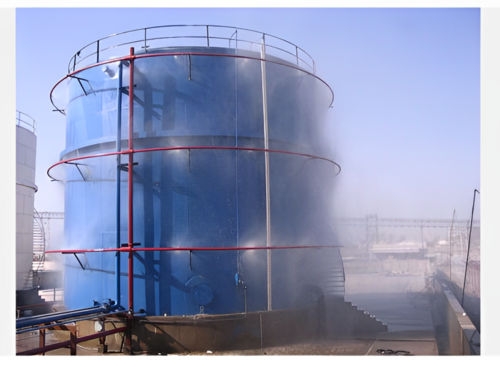

 Send Inquiry



 Send Inquiry
 Send Inquiry
 Send SMS


 English
 Spanish
 French
 German
 Italian
 Chinese (Simplified)
 Japanese
 Korean
 Arabic
 Portuguese