Automatic Pipeline CO2 Fire Suppression System About
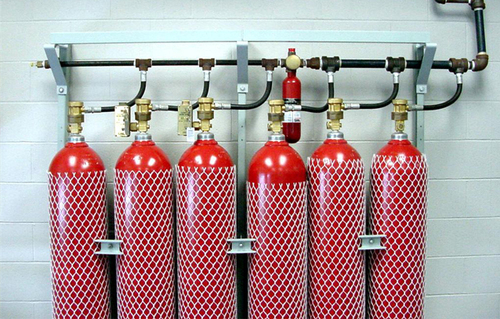
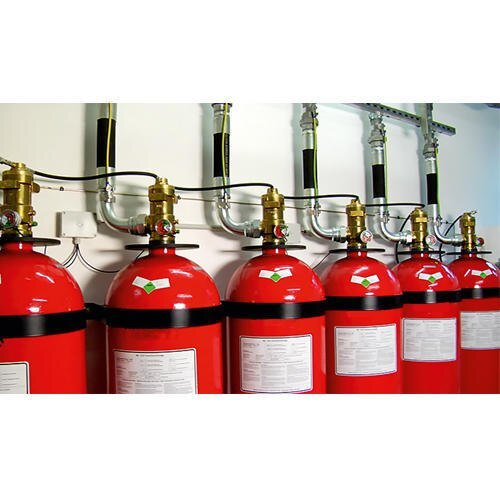
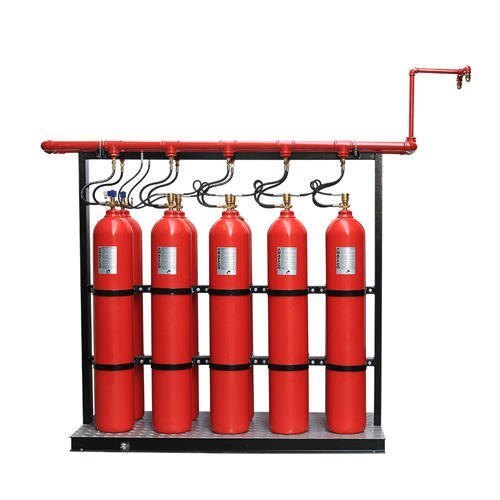
Automatic Pipeline CO2 Fire Suppression System is a reliable safety system that is designed for industrial and commercial buildings to eliminate the risk of fire hazards. This automated unit is equipped with a series of high-pressure cylinders that are filled with powdered carbon dioxide. The cylinders are connected with a common flow channel to efficiently deliver a pressurized extinguishing agent. It is provided with a valve mechanism to efficiently control the flow rate. Automatic Pipeline CO2 Fire Suppression System designed by our company is in high demand within in schools, offices, lab facilities, industries, shopping malls, and more. Clients can get this safety unit with minimum order quantity of 5 sets.
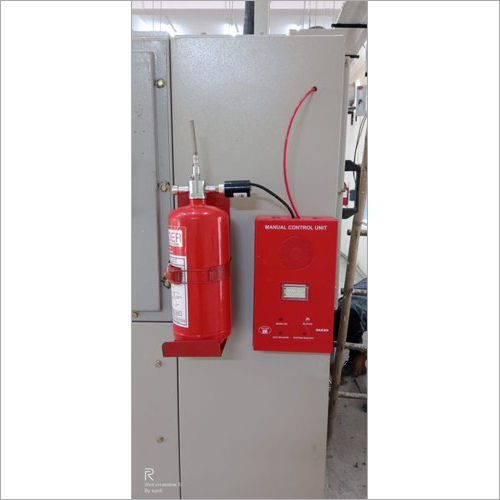
Advanced Fire Detection and Suppression TechnologyUtilizing both heat and smoke sensors in combination with an electronic detection loop, the system recognizes fire hazards swiftly. Areas vulnerable to Classes B & C fires are safeguarded as the solenoid/electric actuator or mechanical lever mechanism triggers the swift release of CO2, with multiple nozzles dispersing gas evenly-including hard-to-reach places. Quick response time and uniform dispersion minimize damage, downtime, and risk to personnel or critical assets.
Comprehensive Safety and Durability StandardsWith a robust seamless carbon steel cylinder construction and corrosion-resistant powder coating, this fire suppression system ensures long-term reliability. Components meet IS 15683 and UL/FM certification standards for safety and performance. Built-in safety features like a pressure relief valve and deadman electric switch, combined with low residue CO2 gas and minimal post-discharge noise, make the system safe for sensitive environments.
Flexible Installation and MaintenanceThe fixed, pipeline-mounted design is adaptable for a range of industrial applications, with customizable piping diameters (2 to 8 inches) and system capacity (2.5 to 45 kg cylinders). Local refilling capabilities and manual recharging procedures mean long-term cost efficiency. Regular maintenance and adherence to storage guidelines-indoors, away from sunlight-contribute to a system lifespan exceeding 10 years.
FAQ's of Automatic Pipeline CO2 Fire Suppression System:
Q: How does the Automatic Pipeline CO2 Fire Suppression System detect and suppress fires?
A: The system uses heat and smoke sensors connected to an electronic detection loop. When these detectors sense a fire, they automatically trigger the solenoid or mechanical lever actuator to release CO2 gas via a network of 360 nozzles, rapidly flooding the affected area and suppressing Class B and C fires.
Q: What are the installation requirements for this CO2 fire suppression system?
A: The system is designed for fixed installation, wall or pipeline-mounted, using a modular pipeline network with customizable diameters (2 to 8 inches). It requires indoor or covered storage away from direct sunlight. All connections and mounting must comply with IS 15683 standards and be carried out by certified professionals.
Q: When should the system be refilled or maintained?
A: After each discharge event, the CO2 cylinder must be manually recharged by a qualified technician. Routine inspections and maintenance are recommended at least annually, or as specified by local regulations, to ensure operational readiness and extend system life beyond 10 years.
Q: Where can this fire suppression system be used?
A: This system is suitable for installation in industrial settings such as power plants, server rooms, chemical storage facilities, and oil & gas sites. Its robust design and efficient suppression capabilities make it ideal for environments with flammable liquids or gases.
Q: What is the process for recharging the cylinder after a discharge?
A: Following discharge, the empty seamless carbon steel cylinder is physically removed and taken to an authorized local refilling station. After refilling with CO2, it is tested (up to 250 bar cylinder test pressure), sealed, and reinstalled to restore system readiness.
Q: How does using a CO2 fire suppression system benefit critical operations?
A: CO2 suppression offers residue-free, rapid response without damaging sensitive equipment or creating cleanup burdens. The system's quick flooding capability ensures early fire containment, minimizing risks, downtime, and property loss, which is especially crucial for mission-critical areas.

 Send Inquiry
  Call Us 07971670816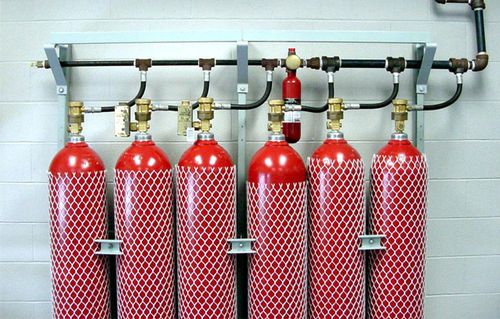

 Send Inquiry



 Send Inquiry
 Send Inquiry
 Send SMS
 Call Me Free


 English
 Spanish
 French
 German
 Italian
 Chinese (Simplified)
 Japanese
 Korean
 Arabic
 Portuguese